
Community-driven solutions for Quality Health
Good health is essential for people to learn, earn an income, and build a better future. Yet women and girls living in poverty often face greater health risks and fewer opportunities to access the care they need.
Why Women’s & Girls’ Health Matters
Adolescence, pregnancy, and childbirth are particularly vulnerable periods. During these stages of life, women and girls require additional nutrition, healthcare, and support. Poverty can limit access to these essentials, increasing the risk of malnutrition, anemia, early pregnancy, and preventable health complications. Limited access to prenatal and postnatal care further increases these risks and contributes to preventable maternal deaths in many low-income countries.
Gender inequality often makes these challenges worse. Social norms and economic barriers can limit women’s and girls’ ability to make decisions about their health and bodies, while increasing their risk of violence and poorer health outcomes.
The consequences extend beyond individuals. When women and girls are unhealthy, entire families are affected. As primary caregivers and key influencers of nutrition, health knowledge, and family well-being, their health has a lasting impact on future generations.
CAUSE Canada believes that sustainable improvements in health require the involvement of governments, communities, families, and individuals. While we work across all levels of this system, our approach places communities at the centre of change. When communities lead efforts to improve women’s and girls’ health, solutions are more relevant, more effective, and more sustainable.
Community-led solutions look different in every context. In one community, it may mean building simple accommodations so a nurse can stay overnight during monthly visits. In another, it may involve working with chiefs and religious leaders to address the harmful effects of child marriage. Sustainable improvements in health begin with community solutions.
By improving the health of women and girls, communities create stronger families, healthier futures, and greater opportunities to break the cycle of poverty.
The World Health Organization defines gender-based violence as “any harmful act that is perpetrated against a person’s will and that is based on socially ascribed (i.e. gender) roles and power differences between males and females.” Globally, an astounding 35% of women will face sexual or intimate partner violence in their lifetime.
At CAUSE Canada, we recognize there is a deep connection between reproductive health and gender-based violence (GBV). Women participating in CAUSE Canada’s programs consistently shared that improving maternal and reproductive health also requires addressing the violence women and girls experience within their homes and communities. GBV leads to poor health, maternal mortality, and the exclusion of women and girls from decision making regarding their own sexual choices and health.
Across many countries where CAUSE Canada works, national policies are already in place to protect women and girls. Our role is to help communities understand these protections and translate them into practical action by strengthening systems that support safe, compassionate, and accountable responses to violence at the local level.
With your support, we accomplish that by:
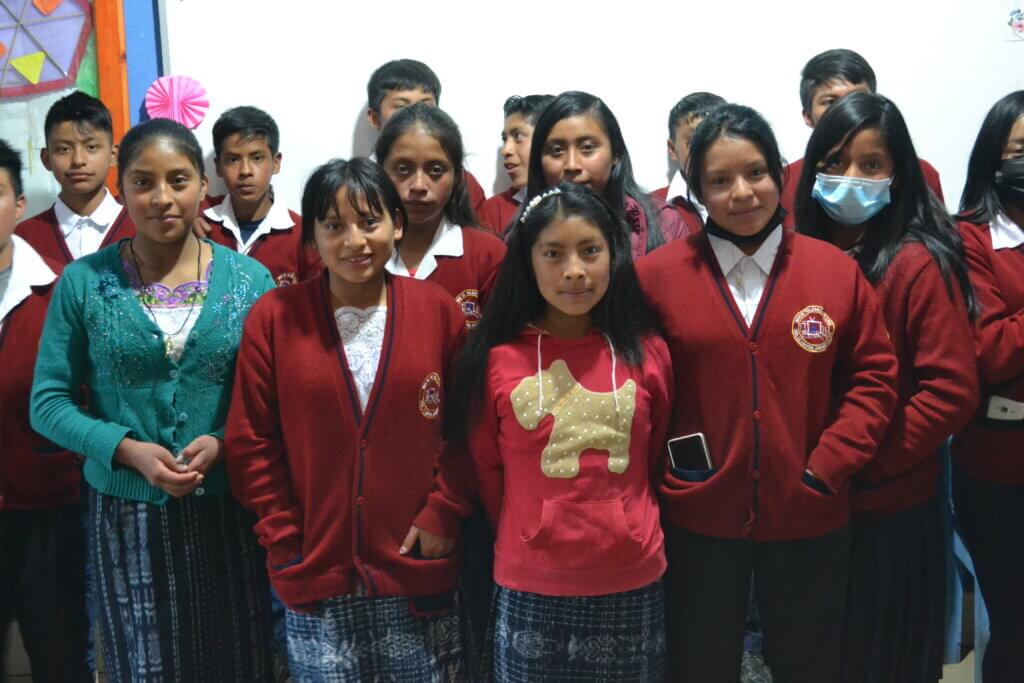
Gloria* is a school principal in the community of San Juan, Honduras. For years, harassment and sexual violence were treated as normal within the community, both inside and outside the school environment.
When Gloria’s own daughter experienced sexual assault at the age of 16, fear and a lack of knowledge prevented the incident from being reported.
“When CAUSE arrived in the community and began working at the school with a focus on preventing sexual and gender-based violence, they began training us as teachers. This was the first time these topics were talked about in schools.”
CAUSE Canada’s workshops provided teachers, parents, and community leaders with tools, training, and procedures needed to help prevent violence and support survivors. As young people participated in school workshops, attitudes and behaviours throughout the community began to shift.
“Now, there is more respect among the youth, and we live in a healthier environment. The young people share roles and responsibilities, and there is more gender equality.”
Today, Gloria no longer tolerates violence inside or outside the school. Community leaders, pastors, and teachers have also formed a local committee to continue the work begun through CAUSE Canada’s programming.
“It is the first time an organization has focused so much on supporting teaching staff in these situations. Their workshops helped us understand each process and approach the topics effectively.”
“
My fears as a teacher, as a woman, and as part of this community changed.
— Gloria*, School Principal · San Juan, Honduras
*Names and some identifying details have been changed to protect privacy.
Through community-led health programs, CAUSE Canada works to strengthen local systems of care, improve health outcomes, and promote prevention, protection, and healing. Our approach focuses on sustainable solutions that equip communities to respond to violence with dignity, compassion, and accountability, while creating lasting change that helps women, girls, and families live healthier, safer, and more hopeful lives.
Because of community partnerships and local leadership:
176,220
people reached
people across 228 communities benefited from health information and training
608
health service providers and teachers trained to support the specific health needs of adolescents
6,595
individuals received maternal and reproductive health services
Community Achievement
Communities in Honduras strengthened local systems for reporting and responding to sexual and gender-based violence